Warsaw, Poland

Viktor Vokh.

backend & systems

Computer Science student who learns by shipping. I write the whole stack and then run it on real infrastructure — a self-hosted tunnelling daemon in Go with its own binary control protocol, a live map of the Polish railway network, Flutter apps on Postgres. Led a five-person team to 1st place out of 100+ at the Day One Ukraine Hackathon.

01

Selected work

5 projects

HostOpen hop

In development

An open-source, self-hosted alternative to ngrok — designed and built solo in Go. It puts a server running on your laptop on a public HTTPS address: the daemon handles the certificates and hands each subdomain to whichever agent has claimed it. Agents connect over their own binary protocol rather than HTTP, so the auth token never travels as a web request, and a built-in inspector can replay any request that came through the tunnel.

GoTLSbinary protocolSSE

PkpWays

Live

A live map of every train moving across the Polish railway network. The PKP PLK open-data API publishes station-by-station timetables, not GPS — so positions are interpolated from schedule and delay data, then moved along route geometry generated from OpenStreetMap railway tracks.

A Python worker is the only thing that calls the PKP API, polling into Postgres for warm storage and Redis as the hot cache — so any number of visitors read from the cache, never the upstream. Worker, database, map and TLS are one docker-compose stack on a VPS.

Stations geocoded
2,953/2,967
Route segments
7,985
Next.js 16LeafletPython PostgresRedisDocker

VERSED

Flutter

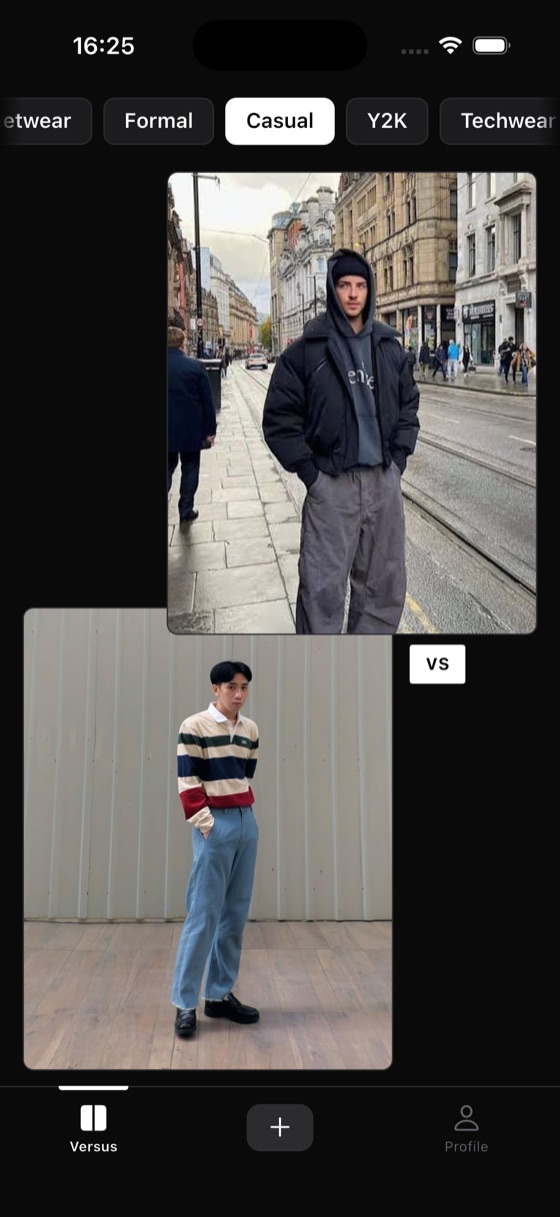
A 1v1 outfit-battle app. Two outfits go head to head, you pick the better one, and every fit builds its own record of wins and streaks.

Flutter on iOS and Android, Riverpod for state, and Supabase behind it for auth, Postgres and photo storage. The scoring sits in Postgres functions rather than the client — matchmaking and votes settle in one server-side transaction, and grants keep win counts out of the app's reach. No Realtime subscriptions; the arena runs on its own prefetched queue.

The VERSED versus screen: two outfit photos pitted against each other under a VS badge, with category tabs — Formal, Casual, Y2K, Techwear — across the top
versus screen
FlutterRiverpodSupabasePL/pgSQL

AI Prompt Engineer

Live

A split-pane workspace where a streaming chat assistant interrogates a rough idea and compiles it into a master prompt on a live canvas. Google OAuth via NextAuth v5, credit-based usage on Supabase.

Next.js 16Vercel AI SDKSupabase

AmIDown

Live

Is a site down, or down for you? Three regions — Frankfurt, Singapore, N. Virginia — answer at once, so you can tell "unreachable" apart from "reachable but refusing you".

One FastAPI app runs as a Lambda in each region through Mangum, behind API Gateway with a key per region. Nothing runs between checks, so an idle region costs nothing and a fourth one would be a deploy rather than another machine to keep alive.

FastAPIAWS LambdaReact 19
02

Hackathons

2026
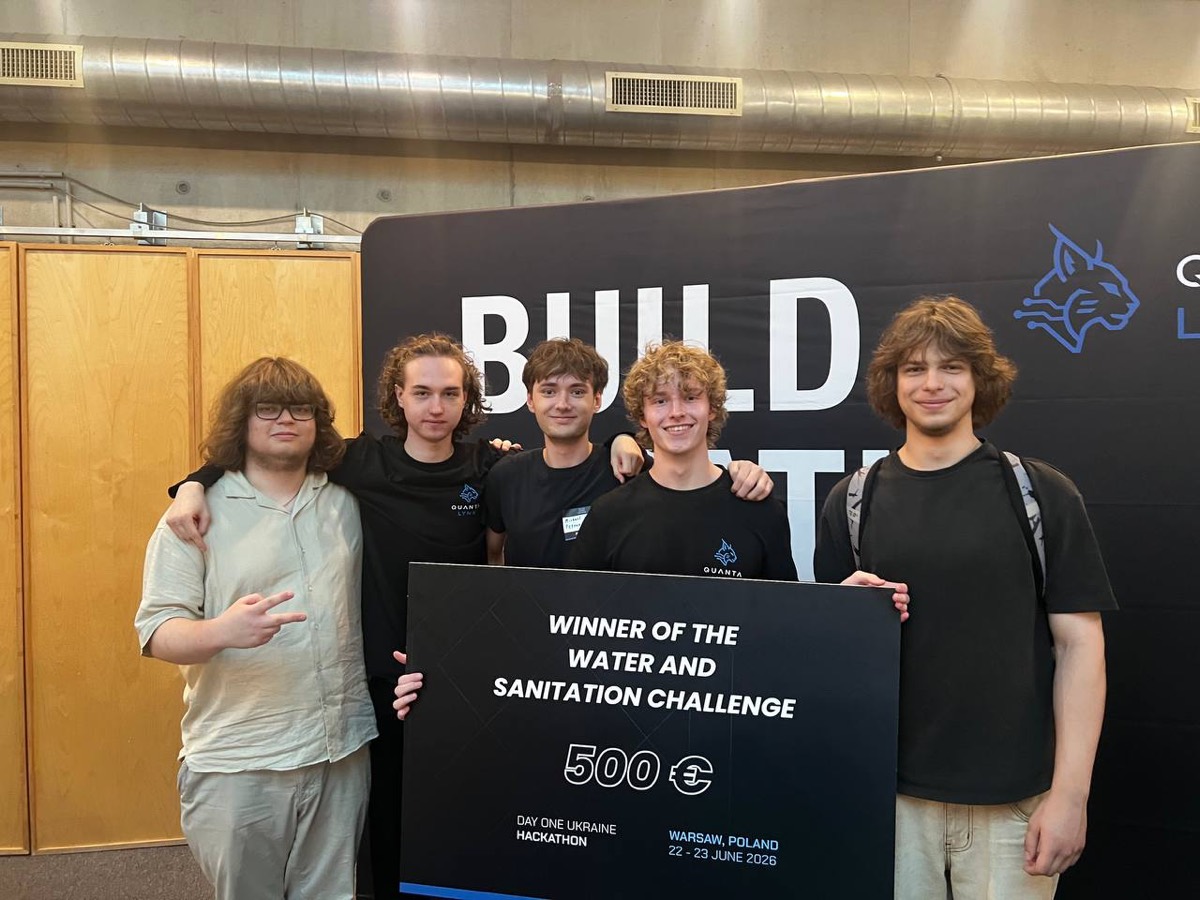
1st place 22–23 Jun 2026 Day One Ukraine Hackathon
Warsaw
team lead · backend
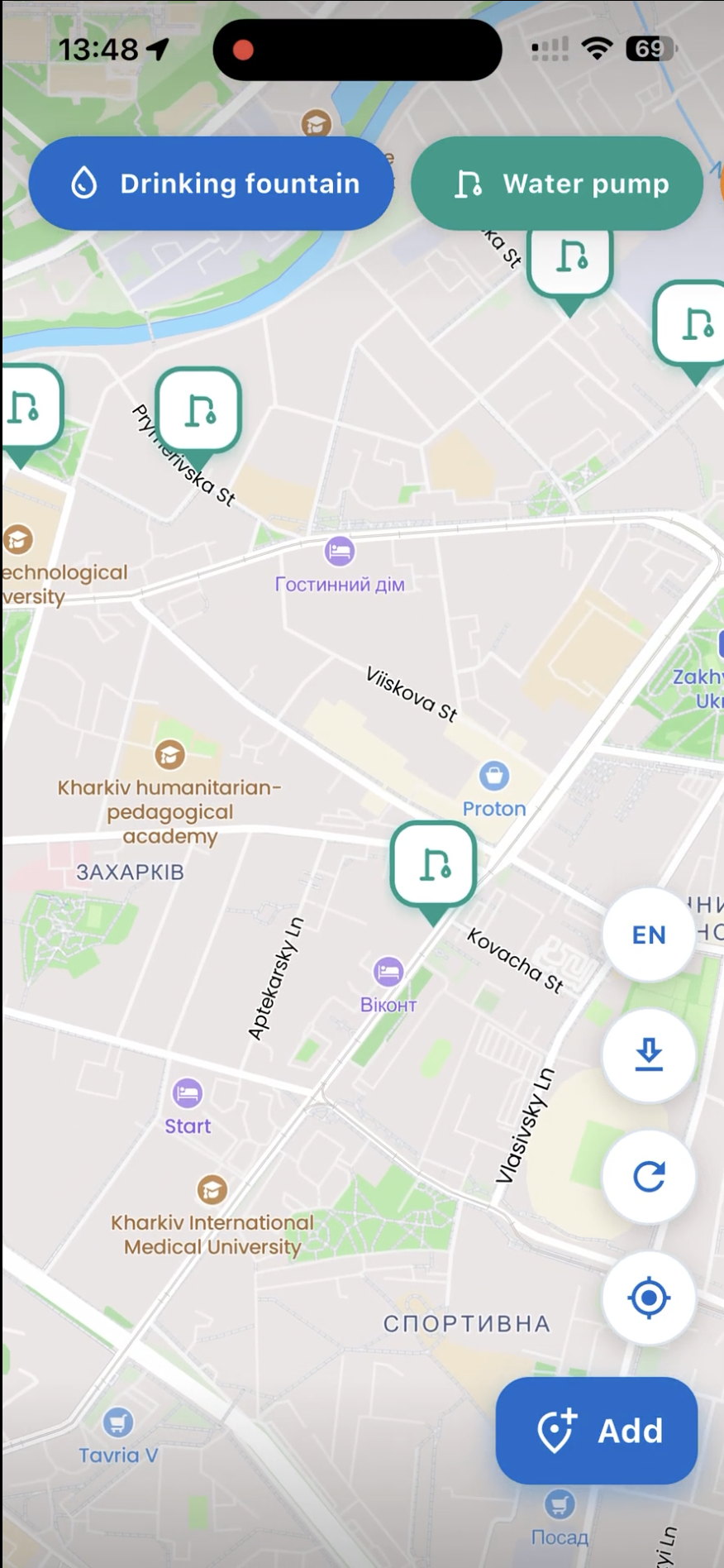
The deVoda map on iOS: drinking-fountain and water-pump filter pills over a map of Kharkiv, pins marking each water point, and an Add button for reporting a new one
live map

deVoda

Won the water & sanitation challenge in the Digital Public Infrastructure track with a Flutter app that maps drinking-water sources and resilience points in real time — so people can still find safe water when the mains infrastructure goes down.

  • Sourced, parsed and normalised scattered water-point and resilience-point records into a single queryable dataset the app could serve live.
  • Pitched the solution on stage to the judging panel.
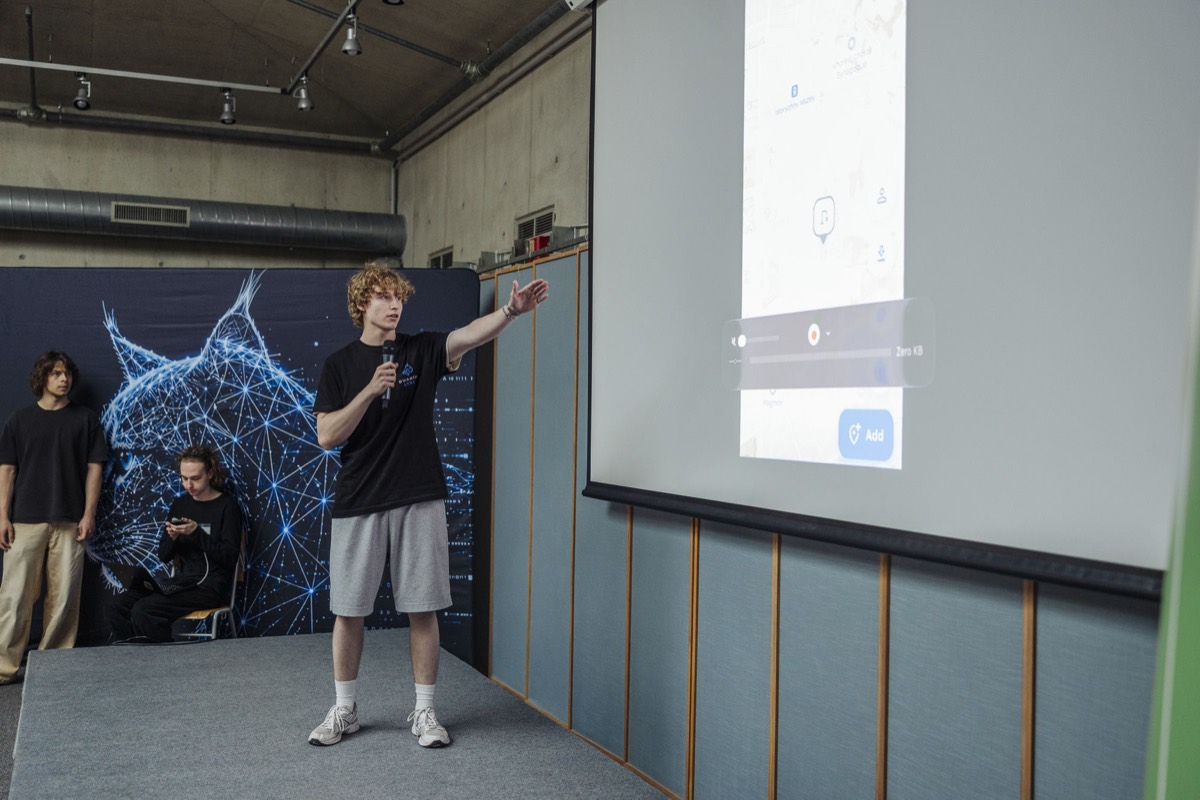
Viktor Vokh on stage with a microphone, presenting the deVoda app on the projector screen behind him at the Day One Ukraine Hackathon
Opening the deVoda pitch
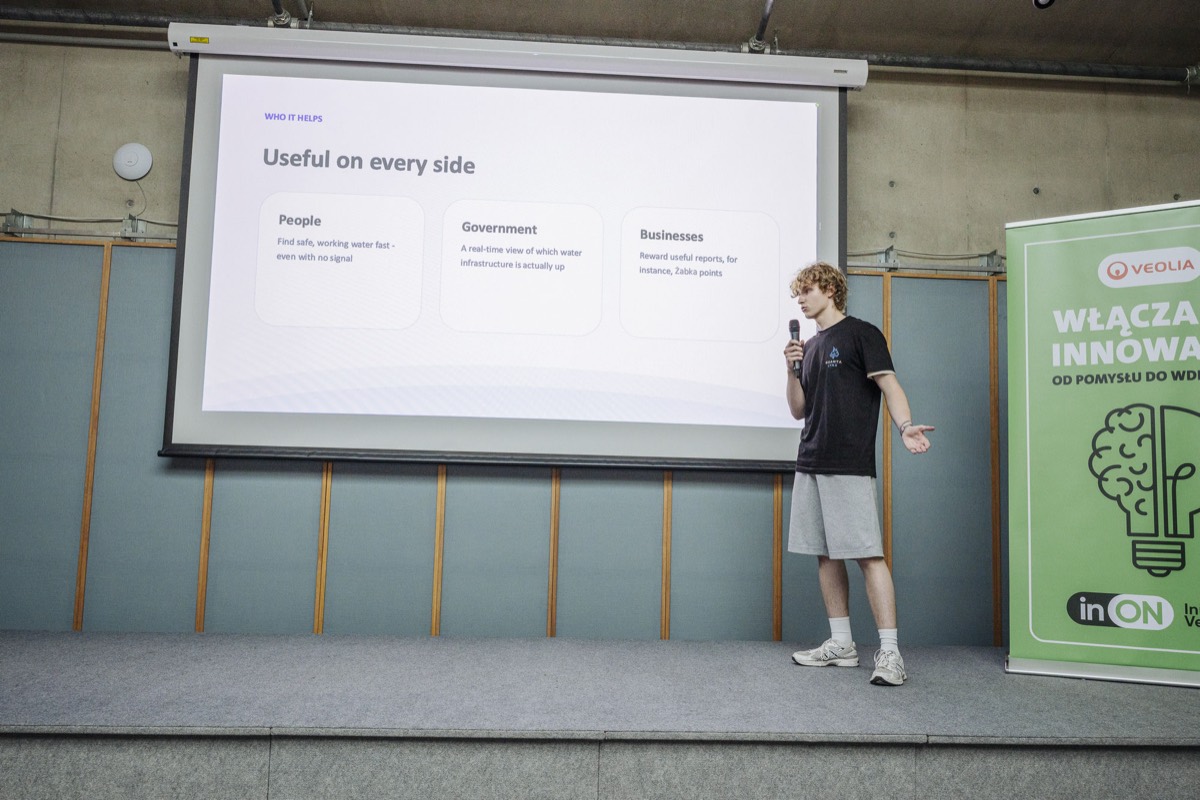
Viktor Vokh presenting the slide “Useful on every side” to the room, next to the Veolia innovation banner
Walking the judges through it
The five-person deVoda team holding the winners’ board for the water and sanitation challenge, Warsaw, 22–23 June 2026
After the water & sanitation win
36 hours100+ participants5 on the team1st of the track
20 Aug 2026 Codaro Coding Challenge II frontend · deployment
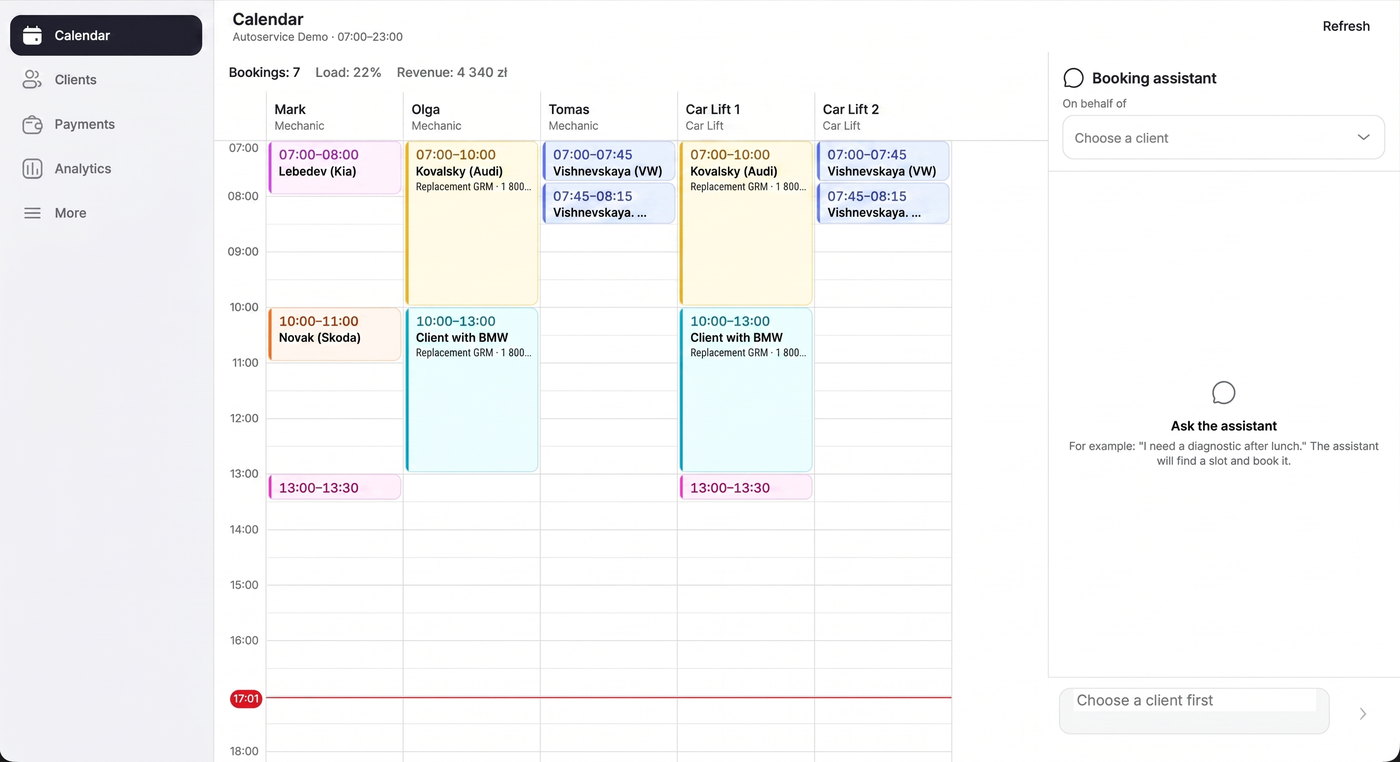
The Slotwise macOS calendar for an autoservice demo: bookings laid out in colour-coded blocks across columns per mechanic and car lift, a bookings/load/revenue strip above, and the booking assistant panel on the right
dispatch calendar

Slotwise

An AI-powered scheduling and dispatch platform for service businesses — natural-language booking, automated re-scheduling with waitlist cascade replacement, and revenue-recovery flows. Built domain-config driven, so a new industry is a config change rather than a code change; the team re-targeted it live to a funeral-home domain during judging.

  • Built the desktop frontend, including multilingual UI.
  • Containerised the whole stack ahead of the pitch, so the demo ran clean and reproducibly.
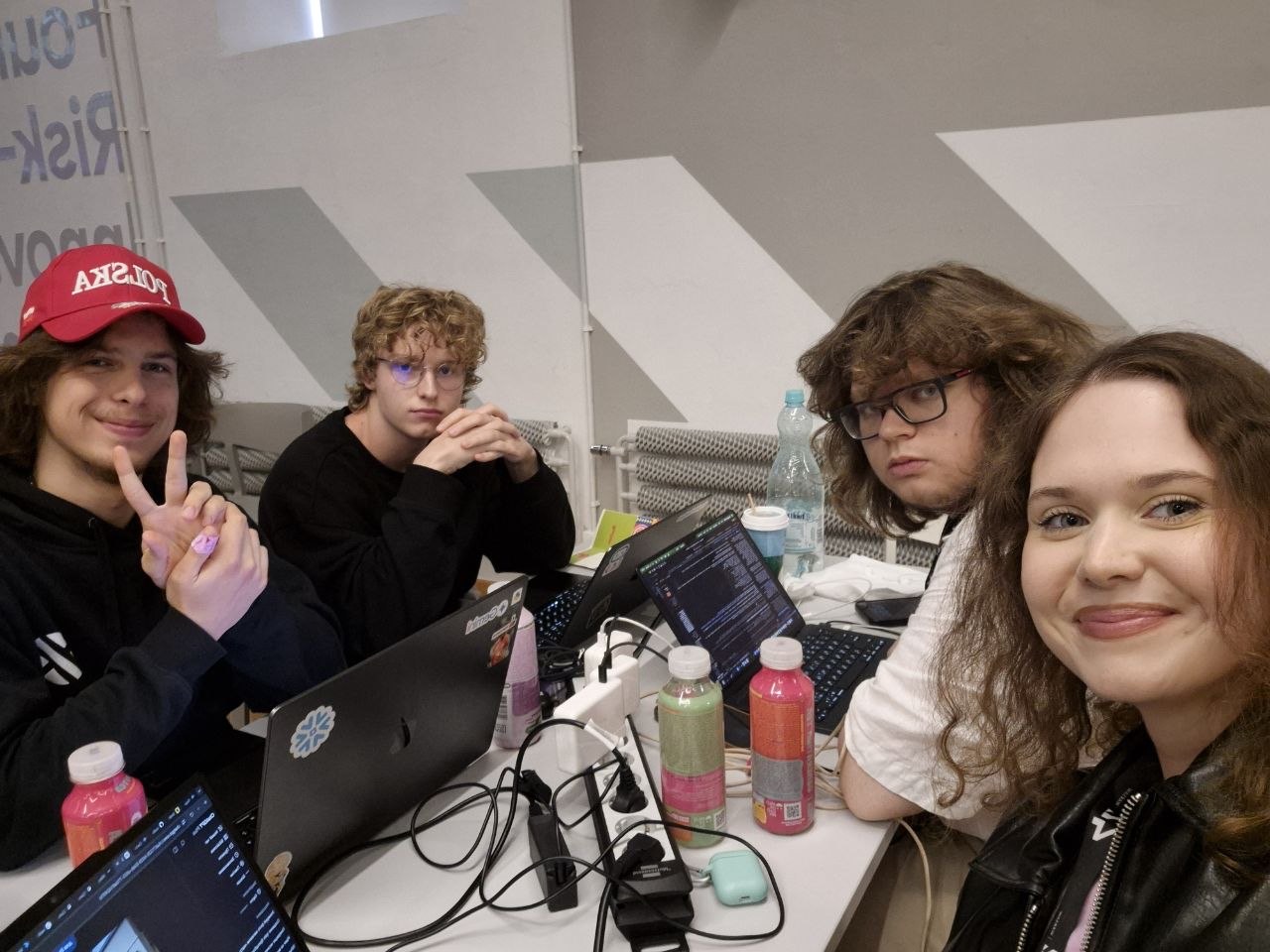
The Slotwise team working at a table of laptops during the Codaro Coding Challenge II
4 devs, 10 hours, 0 regrets
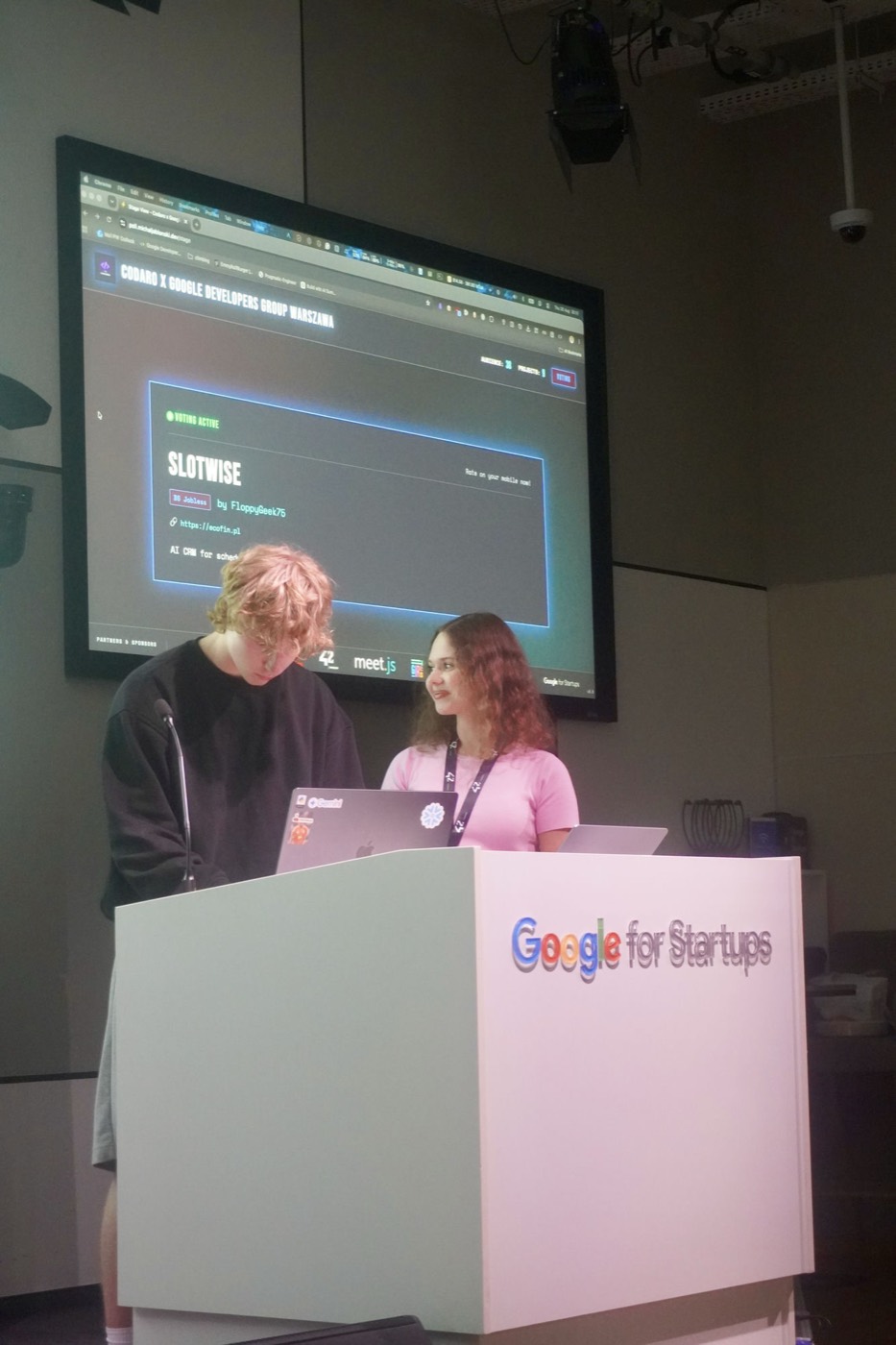
Two of the team at the Google for Startups podium as Slotwise is put up for audience voting on the screen behind them
Slotwise up for the vote
4 on the teamFlutter macOSFastAPIDocker
03

Stack

what I actually ship with
Languages
PythonTypeScriptGoSQLDart
Backend
FastAPINext.jsSSETLS / ACMEprotocol design
Frontend
ReactFlutterRiverpodLeaflet
Data & infrastructure
PostgreSQLRedisSupabaseDockerAWS LambdaLinux VPS
AI & APIs
Vercel AI SDKOpenAI APIGoogle Cloud Vision
04

About

I'm a Computer Science undergraduate at PJATK in Warsaw, studying in English. My engineering foundation comes from taking ideas end-to-end: architecting systems, handling the operational edge cases, and keeping services running in production.

The pattern in my work is that I don't stop at a local demo. PkpWays isn't just a UI—it’s a Docker Compose stack on a VPS with TLS and background workers polling live APIs. HostOpen isn't a wrapper around an existing tunnel—it's a custom protocol, daemon, and CLI built from the socket up. I enjoy the unglamorous engineering: making sure software actually survives contact with the network.

Hackathons are where I stress-test that mindset against the clock. I thrive under the pressure, enjoy the pitching, and love the reality check at hour thirty when an early architectural bet proves itself.

Based in
Warsaw, Poland
Studying
BSc Computer Science · PJATK Warsaw (English track)
Timeline
Oct 2025 – Feb 2028 (Expected)
Languages
English (C1)
Ukrainian (Native)
Polish (B1)

Building something?
I'd like to hear about it.

Open to internships, backend and infrastructure work, and hackathon teams that intend to win. Fastest way to reach me is email.